The dust you can't see is the dust that hurts people. Control it properly.
Dust looks like a nuisance, not a hazard. That's the problem. Cutting, grinding, sanding, drilling and blasting throw fine particles into the air, and the ones small enough to reach deep into the lungs are invisible. Breathe them in day after day and the result can be silicosis, lung cancer, asthma or COPD. If your work creates dust, the law requires you to control it.
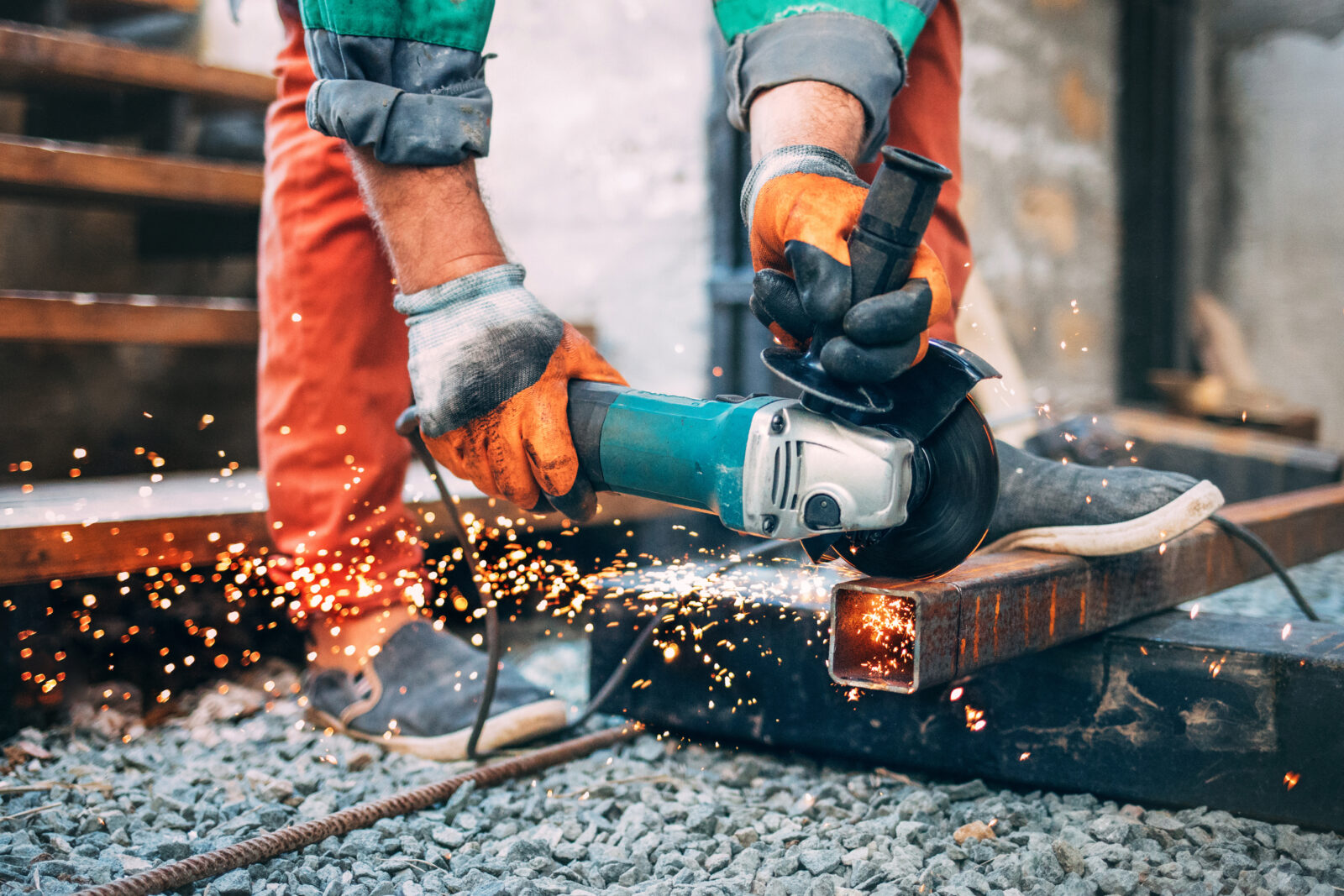
Left undisturbed, dust is harmless. The danger starts when work makes it airborne.
Dust is everywhere, in soil, materials and the air. The harm comes when a task lifts it into the air where it can be inhaled or swallowed. The two dusts that cause the most serious harm in industry are silica (from concrete, stone, brick, sand and mortar) and wood dust, especially hardwood. Both are covered by COSHH. How much dust a task produces, and how much harm it does, comes down to three things.
The more energy involved, the more dust. High-energy tools like cut-off saws, grinders, sanders and grit blasters generate a lot of dust very quickly.
Enclosed spaces let dust build up fast. But don't assume outdoor work is safe. High-energy tools produce dangerous levels of dust in the open air too.
The longer a task runs, and the more often it's repeated day after day, the greater the exposure. Short jobs add up.
Follow the hierarchy of control, in order.
Dust that's hazardous to health falls under the Control of Substances Hazardous to Health Regulations 2002 (COSHH), alongside the Health and Safety at Work etc. Act 1974, the Management of Health and Safety at Work Regulations 1999, and, on construction projects, CDM 2015. The law expects you to work down this hierarchy, in this order.
Three controls, and what each one actually needs.
Choosing a control is the easy part. Making it work, and keeping the records that prove it, is where the detail lives.
Controlling dust is detail work, and it slips when nobody owns it.
Controlling dust properly means assessing each dusty task with the person who does it, choosing controls that suit the tool and the material, maintaining the LEV, arranging face-fit testing, and keeping the records that prove it. A named consultant takes that off your desk: they walk the work with you, set the controls that fit, and keep the statutory checks on a calendar so nothing lapses before an inspector or a main contractor asks to see it.

Common workplace dust questions
What are the legal requirements for controlling dust at work?
What is LEV?
Is water spray effective for controlling dust?
Is a dust mask enough to protect workers?
What practical steps reduce dust exposure?
Hazardous substances plus the other common hazards, scored the way the HSE expects. Built by consultants with 30+ years’ combined H&S experience.
Get a straight read on whether your dust controls would pass scrutiny.
Book a free review and talk to a named H&S consultant about your actual tasks, tools and records, no script and no obligation. You'll get a clear answer on what's working, what's missing, and what to put right first.