Speak to a consultant: 0161 926 8519Mon–Fri, 9–5
Hero
RISK ASSESSMENT TEMPLATES · FREE & EDITABLE · UK

Free, editable risk assessment templates, written by H&S consultants.

A risk assessment doesn't have to be complicated, but it does have to be right. These templates give you a clean, HSE-aligned structure you fill in yourself: the hazards, who might be harmed, what you're already doing, and what more you need to do. They're free, editable, and built for UK workplaces, not adapted from some US compliance form that names the wrong regulations.
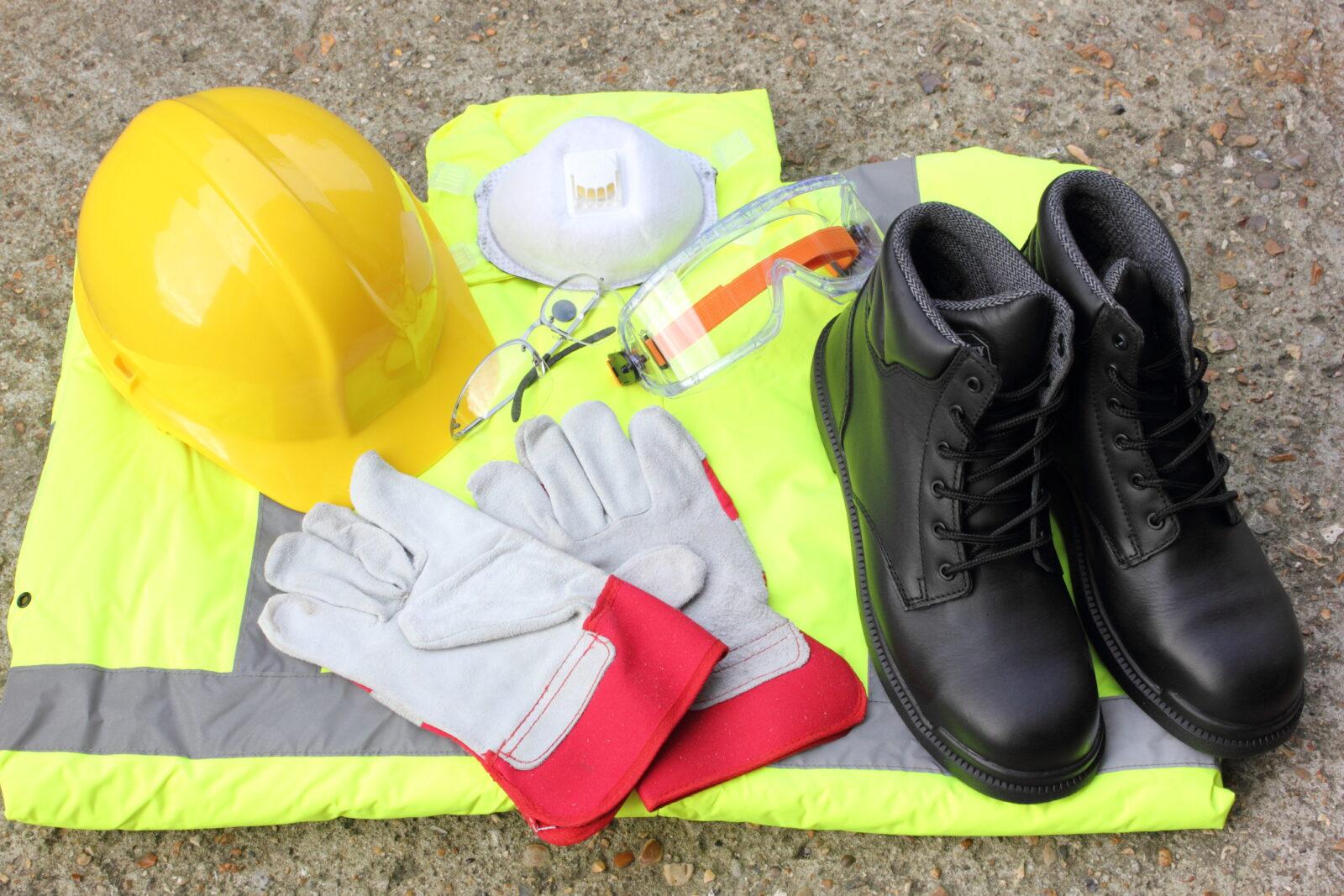
Free, editable risk assessment templates,
FeatureGrid
WHAT'S IN THE PACK

Four ready-to-use templates, one free download.

Download the pack and you get four editable templates, each built around the HSE's approach and the regulations that actually apply in the UK.

General risk assessment

The all-purpose form for any task or area. Hazards, who might be harmed, the controls already in place and the actions still outstanding.

COSHH assessment

For hazardous substances such as dust, fumes, cleaning chemicals and adhesives. The structure that records exposure and the controls that keep people safe.

Fire risk assessment

The starting structure for the Fire Safety Order duty. Identify the hazards, the people at risk, and the precautions, then record your significant findings.

Manual handling assessment

For lifting, carrying, pushing and pulling tasks. The frame for assessing the load, the task, the environment and the individual doing the work.

LeadMagnetPromo

Download the free risk assessment template pack.

All four templates in one download: general, COSHH, fire and manual handling. Free, editable, and built for UK workplaces. We ask for your name, email and company so we can send them and stay in touch, but there's no charge and no obligation.

PDF · 20 pages · Updated June 2026
StepProcess
THE METHOD

How to write a risk assessment in five steps.

The HSE sets out a simple five-step approach. The template walks you through it, but here's the method so you understand what you're doing.

— STEP 01
Identify the hazards
Walk the area, watch the work, ask the people doing it. A hazard is anything with the potential to cause harm: a trailing cable, a chemical, a height, a heavy load.
— STEP 02
Decide who might be harmed and how
Be specific. Employees, contractors, visitors, members of the public. Note who's at particular risk, like new or expectant mothers, young workers, or lone workers.
— STEP 03
Evaluate the risk and decide on controls
For each hazard, ask what you already do and whether it's enough. Then add controls, following the hierarchy: eliminate the hazard first, then reduce it, and only rely on PPE as a last line.
— STEP 04
Record your findings
If you employ five or more people, you must record the significant findings in writing. The template is where you do this.
— STEP 05
Review and update
A risk assessment isn't a one-off. Review it when the work changes, when something goes wrong, or at sensible intervals, and update it.
ImageFeature
FILLING IN THE TEMPLATE WELL

The difference between a useful assessment and a worthless one is specificity.

A generic form that says "slips, trips and falls: keep floors clear" tells an inspector you copied a template. A real assessment names the actual hazard in the actual place: the wet floor by the wash bay, the unguarded step in the loading area, the chemical you decant by hand. Write what you actually do, not what a textbook says you should. If a control isn't in place yet, record it as an action with an owner and a date. That honesty is what makes the document stand up when someone checks.

Name the real hazard in the real place, not a generic line lifted from a template
Write what you actually do, not what a textbook says you should
Record anything not yet in place as an action with an owner and a date
Book a Free Review
A Spectra health and safety consultant reviewing a risk assessment on a client's site
ServiceList
GO DEEPER

Need a specific one?

The pack covers the common assessments, but some duties deserve their own guide. Start here, or let us take the whole job off your desk.

01COSHH assessment

Our dedicated guide to assessing hazardous substances: what COSHH covers, the controls that work, and how to record exposure properly.

Read the COSHH guide
02Fire risk assessment

Who needs one, what it must cover under the Fire Safety Order, and where a template stops and a competent assessor starts.

Read the fire guide
03Health & safety service

When you'd rather not write them yourself, your named consultant produces risk assessments built around your actual work and keeps them current.

See our H&S service
FaqAccordion
QUESTIONS

Common risk assessment questions

How do I write a risk assessment?
Follow the HSE's five steps: identify the hazards, decide who might be harmed and how, evaluate the risk and decide on controls, record your significant findings, then review and update. Our free general risk assessment template gives you the structure; you fill it in with the real hazards in your own workplace. Keep it specific to your actual tasks rather than copying generic wording.
Are these templates free?
Yes. The full pack is free to download. We ask for your name, email and company so we can send it and stay in touch, but there's no charge and no obligation. Use them as your own.
What are the 5 steps to risk assessment?
Step one, identify the hazards. Step two, decide who might be harmed and how. Step three, evaluate the risks and decide on precautions. Step four, record your significant findings. Step five, review your assessment and update it when things change. This is the HSE's recommended approach for most workplaces.
Do I legally need a written risk assessment?
If you employ five or more people, you must record the significant findings of your risk assessments in writing. If you employ fewer, you still have to carry out the assessment, but you aren't legally required to write it down. In practice, writing it down is sensible whatever your size, because it's your evidence that you assessed the risk properly.
Can I use a generic template for any business?
A generic template is fine as a starting structure, but the content has to be specific to your work. An assessment that doesn't name your actual hazards won't protect anyone and won't satisfy an inspector or a client auditor. Treat the template as a frame, then fill it with what really happens on your site, or have a consultant write it for you.
CtaBand

A template gets you started. Getting it right is the hard part.

A generic form won't know your site, your tasks or your risks. Your named Spectra consultant writes risk assessments that stand up when an auditor, a client or the HSE asks, built around your actual work, not a folder of generic forms. Book a free review and we'll tell you what's missing.

Book a Free Compliance Review